




-
Share

-
-
Print


Introduction
The aviation sector is a vital part of Singapore's economy, directly employing over 60,000 individuals in a variety of roles, across some main sub-sectors:
- Local Airlines
- Ground Handling
- Aircraft Maintenance
- Aviation Security
- Airport Operations & Services
- Other OneAviation Sub-sectors – Government Services, Foreign Passenger & Freighter Airlines, Air Express Services
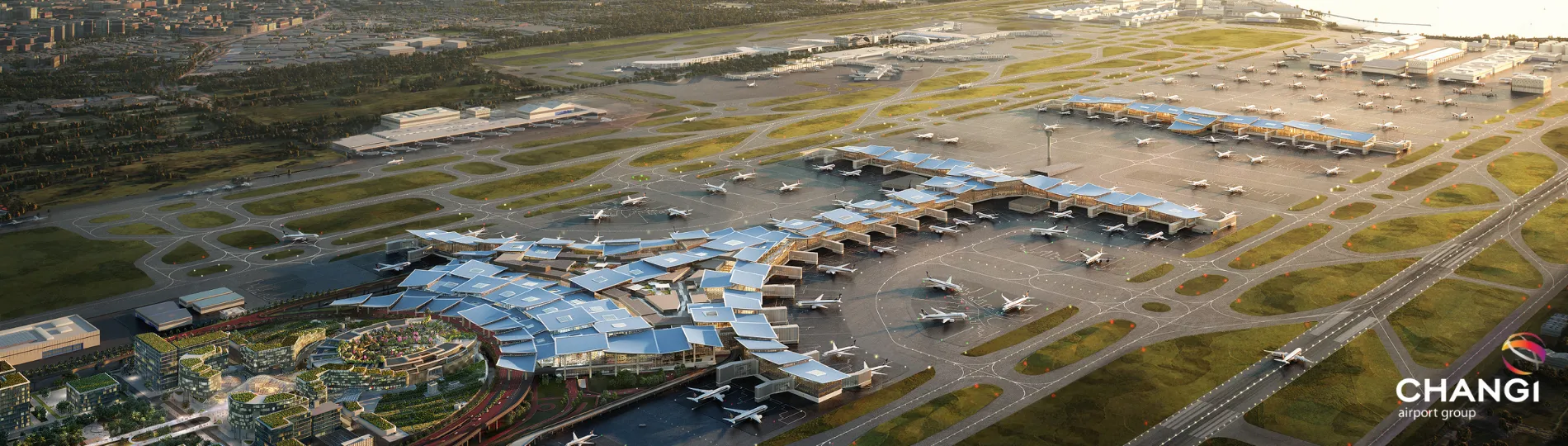
With air travel demand expected to grow and the development of Changi Airport Terminal 5 (T5) planned for the mid-2030s, there is a clear need to transform the workforce to meet upcoming challenges and opportunities.
To address this, the Aviation Jobs Transformation Report was published in July 2025 by the Civil Aviation Authority of Singapore (CAAS) and Workforce Singapore (WSG). This report provides an in-depth analysis of the aviation career landscape, outlining strategies for adapting to future industry trends. The purpose of the report is to align workforce development with the sector's growth, making sure Singaporeans have the skills and opportunities to thrive in the evolving aviation job market. A collaborative effort to prepare and equip our aviation workforce for future roles, the report also involved key stakeholders, including the Ministry of Manpower, Ministry of Transport, SkillsFuture Singapore, Ministry of Education, Institutes of Higher Learning, National Trades Union Congress (NTUC), Aerospace and Aviation Cluster of Unions, and aviation employers.
The report's key findings identify six megatrends that will impact aviation jobs and skills over the next five years. This comprehensive overview is designed to help both employers and workers navigate this exciting transformation.
Megatrends
1. Digitalisation
While digitalisation has been a trend for many years, there has been an acceleration in the adoption and integration of these technologies with traditional systems, enhancing efficiency and enabling real-time monitoring. For instance, aviation professionals now use advanced digital resource deployment and asset tracking systems to assist them, raising their productivity and situational awareness.
2. Data, and Artificial Intelligence (AI)
A greater collection of data, which comes with the push towards digitalisation, allows the sector to harness the full potential of AI. Generative AI, Agentic AI, and Embodied AI are already being used by aviation companies to optimise resource allocation, improve responses to service disruptions, and enhance the customer experience.
- Generative AI can create new content, solutions, or insights by learning from existing aviation data and patterns, such as generating risk assessment models for new routes or operational changes.
- Agentic AI can autonomously perform tasks, such as optimised deployment of manpower for flight handling to ensure smooth and efficient operation.
- Embodied AI refers to physical robots that can carry out tasks, such as robotic rovers to conduct security sweeps at gatehold rooms.
Embracing these technologies will be crucial for aviation professionals to remain competitive and for companies to stay at the forefront of sector innovation.
3. Automation and Robotics
Automation and robotics are being implemented to enhance efficiency and safety in various operations. Advanced technologies will transform manual and repetitive operations into streamlined automated processes. Examples of automation likely to be deployed in the next few years include automated Passenger Loading Bridges (PLB), automated or autonomous aircraft pushback, and Autonomous Vehicles (AVs) for baggage and cargo transport at the airside. This evolution of processes will redefine jobs in the aviation sector, as professionals learn to harness these technologies
4. Changing Consumer Preferences
Evolving customer expectations are influencing service delivery models and prompting innovations in passenger experience. There is a demand for personalised, seamless, and contactless experiences that prioritise health, safety, and sustainability.
5. Workforce Preferences
The workforce at large now has expectation for flexible work arrangements and place strong emphasis on work-life balance and personal development. This trend encourages the adoption of remote work models where possible, along with investments in training for digital competencies and the creation of supportive work environments. Investing in these areas will be key in attracting and retaining talent.
6. Sustainability
Sustainability considerations are driving initiatives to reduce the environmental impact of aviation operations. There is growing pressure from consumers for the sector to adopt more eco-friendly practices. This has led to a push for fuel-efficient or alternative-fuel aircraft, electric ground vehicles, and carbon offsets, alongside operational changes such as improved waste management, amongst others. New skills and expertise are needed to handle these new technologies, business models, and processes.
Impact on Aviation Jobs
These megatrends look set to transform the jobs and skills of over 30% of the aviation workforce. To navigate this transformation, employers, the Government and unions will partner to drive and accelerate job redesign and new skill acquisition to ensure our workers remain future-ready and resilient.
High Impact on Jobs in Ground Handling
The ground handling sub-sector is anticipated to see substantial transformation over the next 5 years. A critical component of airport operations, Ground Handling includes three main functions: “Above-wing”, “Below-wing” and In-Flight Catering. “Above-wing” roles focus on passenger facing services such as check-in and boarding assistance. “Below-wing” roles are responsible for managing complex and varied operations at the airside including baggage and cargo operations, aircraft marshalling and aircraft interior cleaning. In-Flight Catering roles are responsible for preparing, packaging and the timely delivery of meals, beverages and supplies to aircraft in adherence to strict hygiene practices.
With significant investments in technology and workplace enhancement initiatives underway, the sub-sector is expected to see its workforce upgrading significantly over the next few years.
Some examples of job functions where we expect to experience a high impact are below. These are positions that will experience significant changes in scope and requirements due to megatrends and technology. These roles will undergo extensive job redesign, necessitating upskilling or reskilling to maintain employability.
Passenger Services: With the adoption of contactless and remote check-in technologies at the airport, customer service agent roles could evolve to provide real-time assistance via digital platforms. They will also focus on exception handling for special cases such as passengers with special needs. Similarly, Cargo Officer and Assistant roles would increasingly focus on complex tasks like handling sensitive goods and building multi-skilled operational capabilities through cross-deployment. This requires training to support new company certifications.
Ramp and Technical Ramp Services: Cross-training will allow for a centralised team to handle both Technical Ramp and Ramp tasks, enhancing job value and boosting overall airside productivity through multi-skilling.
Baggage/Cargo Handling: The adoption of Autonomous Vehicles (AVs) for baggage and cargo transport will create demand for new fleet supervisory roles. These supervisors would remotely manage these AVs, focusing on real-time monitoring of operational systems and implementing emergency response protocols.
Job roles in Ground Handling which may undergo substantial redesign:
- Customer-facing roles at the airport, from check-in to boarding.
- Functions related to managing operations, from cargo reception to loading/offloading.
- Operations on the airport apron, including aircraft guidance, towing, and maintenance assistance.
- Roles involved in the handling and transport of luggage, from sorting to delivery.
Medium-High Impact on Jobs in Catering Services
Job roles in catering services will see a medium-high impact. Characterised by a moderate-to-high degree of change, while they may not undergo a complete overhaul, their duties will expand, requiring professionals to acquire new skills to meet evolving demands.
For example, with frozen meals imported into Singapore to support catering needs, catering professionals will need to build up knowledge and skills in supply chain management, including inventory control and logistics coordination. They will also need to be trained in waste segregation techniques to comply with new environmental regulations and effective waste reduction strategies.
Medium-high-impact catering job roles that require moderate redesign:
Roles involved in the preparation and assembly of meals, including handling cold chains and waste.
Medium Impact on Jobs in Technical Services
Medium-impact job roles are those where work processes may undergo moderate changes due to the integration of technology and industry trends. These jobs will require moderate redesign, with job holders shifting toward higher-value-adding tasks that require upskilling support.
For example, with the growing electrification of airport Ground Support Equipment (GSEs), technicians will need to specialise in the maintenance and management of electric vehicles, including battery systems and charging infrastructure. This specialisation will be key to meeting the evolving needs of a more sustainable airport environment.
Medium-impact job roles in technical services that require moderate redesign:
Roles involved in the upkeep of ground support equipment, including specialisation in electric vehicles and associated charging infrastructure.
Emerging Job Opportunities in the Aviation Sector
As the sector continues its transformative journey, new career opportunities and jobs in the aviation sector will be created in response to evolving industry trends. The aviation sector continues to seek professionals with a future-ready blend of skills and expertise that bridge traditional practices and innovative technologies. This demand for talent is driven by the need to harness digital solutions, data-driven insights, and sustainable practices. Some possible examples of job roles:
1. Digital Operations Specialists
Specialists responsible for overseeing and optimising the digital platforms used in ground handling, including booking systems, mobile applications, and customer service interfaces. They need to be proficient in digital tools, user experience design, and data analytics.
2. Data Analysts and Data Scientists
Experts who analyse large sets of data to derive insights are becoming essential for the aviation career landscape, needing strong analytical skills, proficiency in statistical software, and knowledge of machine learning algorithms. They inform decision-making in areas such as route planning, pricing strategies, and operational efficiency.
3. Sustainability Managers
Individuals responsible for developing and implementing strategies to reduce the environmental impact of airline operations are a growing asset to the sector. This includes managing fuel efficiency and waste. These professionals require knowledge of environmental regulations, sustainability reporting, and green technologies.
For instance, they will lead initiatives to transition the airline's fleet to sustainable aviation fuel (SAF), a current and growing trend driven by a global push for eco-friendly practices.
4. Customer Experience Specialists
As passenger patterns evolve, the sector will need professionals who design and enhance the passenger journey, focusing on personalisation, convenience, and digital engagement. They need expertise in user-centred design, service blueprinting, and digital interaction design. Familiarity with digitalisation and digital, contactless services will be a cornerstone of this role.
5. AI and Robotics Technicians
These technicians maintain and operate AI-driven systems and robotic technologies used in various aspects of airline operations. From baggage handling to aircraft maintenance, their skills are becoming vital. They require proficiency in robotics programming, machine learning, and system troubleshooting.
Essential skills needed to stay relevant in the Aviation Sector
To stay future-ready and resilient in the evolving aviation sector, it is important to possess the skills that align and evolve with the sector’s current trends and future needs. The sector must foster a mindset shift to recognise the value of upskilling talent, especially with the positive growth forecast for the sector.
Job functions with high labour-intensity will evolve towards technology-focused responsibilities and higher value adding activities. This shift necessitates future skills in:
- System Operations and Maintenance: Utilise advanced technologies to diagnose, troubleshoot and rectify system anomalies. This includes managing digital systems and operations remotely, ensuring that crucial infrastructure, from baggage handling to security systems, remains operational and secure.
- Digital Documentation and Reporting: Create and manage digital incident reporting
- Remote Systems Management: Manage digital systems and operations remotely
- AI-Driven Risk Management: Implement preventive measures based on AI-driven insights to mitigate risks and prevent safety incidents
Supervisory and management roles will need to leverage data analytics and AI insights from new technologies to drive operational improvements. This shift necessitates future skills in:
- Data Analytics and Insights: Interpreting and analysing data is crucial for generating insights to improve operational efficiency. Professionals skilled in this area can use AI-driven insights to manage risk, prevent safety incidents, and optimise flight paths and resource allocation.
- Digital Training Management: The rapid adoption of new technologies requires effective training to ensure the workforce is equipped with the necessary skills. This skill involves planning and delivering training on new digital platforms and technologies, ensuring the seamless transition of employees to new ways of working.
- Digital Information Management: As the sector relies more on digital platforms, managing and organising digital information is vital. This skill ensures that data is accurately recorded on digital platforms, for incident management and operational transparency.
- Technology Implementation Strategy: With the sector undergoing a significant digital transformation, professionals need to evaluate the impact of new technologies and develop standard operating procedures (SOPs) for their use. This ensures technology is implemented safely and effectively.
The Skills Framework
The Skills Framework (SFw) is a SkillsFuture initiative designed to promote skills mastery and lifelong learning for the Singapore workforce.
For more information on each aviation career (a complete list of skills, critical work functions, and key tasks), please refer to the Skills Framework for Air Transport, Aerospace, and Security.
The Job Redesign Playbook for Aviation
Build a future-ready aviation workforce with confidence using this comprehensive Job Redesign Playbook, which provides a practical framework to guide you through every step of the job redesign process. Whether you are responding to sector transformation or seeking to create higher value job roles, this playbook equips you with essential tools, templates, and real-world illustrations to redesign roles effectively. The outcome is enhanced productivity, improved job satisfaction and career pathways prepared for the future.
Individuals interested in aviation careers can also leverage the JR playbook to identify essential skillsets for emerging roles that align with their career aspirations.
Click here to download the playbook now.
Support available for employers

Support available for employers

Employers can also consider tapping on these other initiatives:
How individuals can stay relevant

How individuals can stay relevant
The following initiatives by Workforce Singapore are available to help individuals stay aligned with the future of work in the accounting
practices sector.
Download the complete report for more insights.
